Physical Address
BOX 5, Westhoven, 2142
Physical Address
BOX 5, Westhoven, 2142

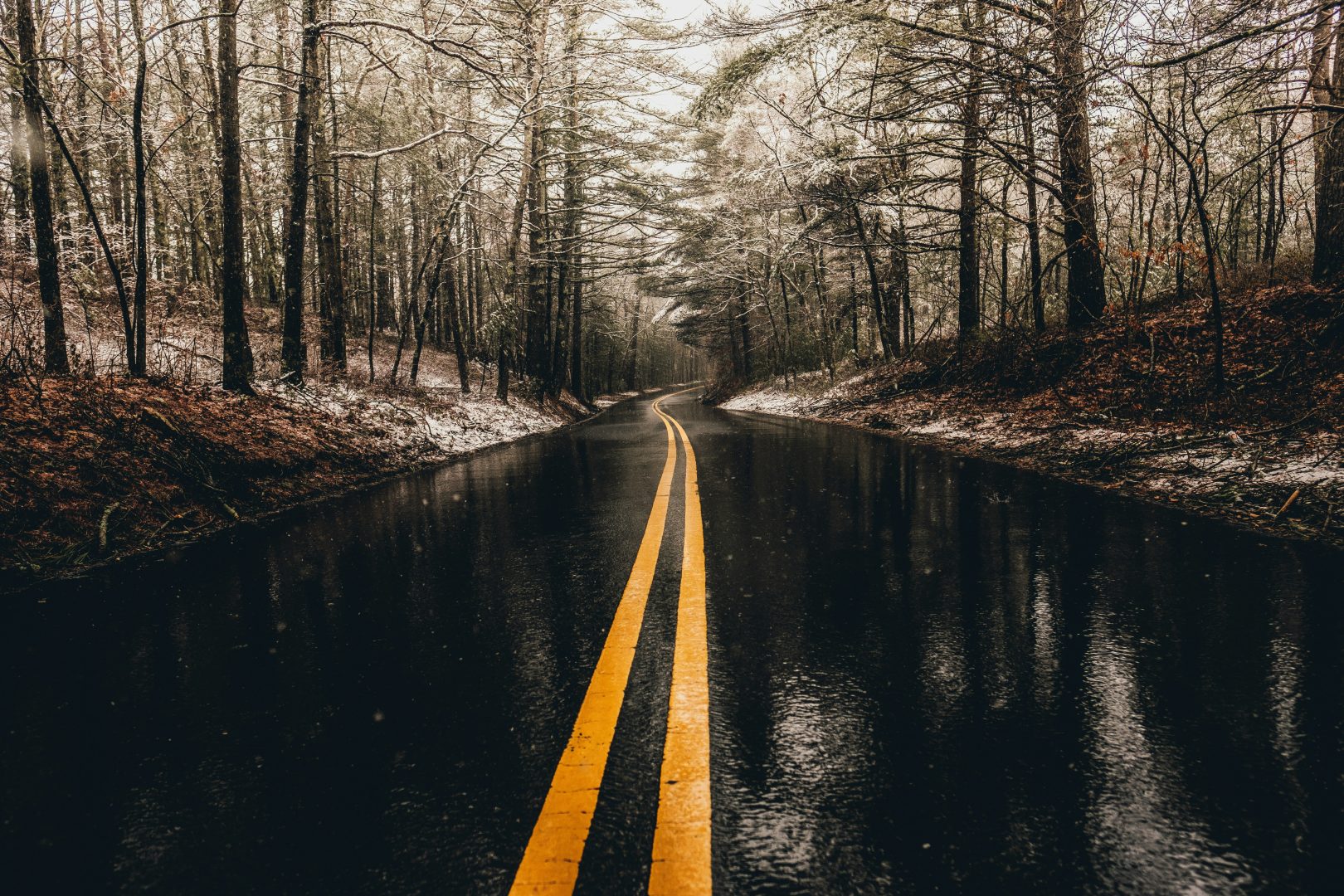
South African winters do not arrive with snowfall or a blizzard warning or any other obvious signal that conditions have changed. Instead, by June the season has quietly shifted into its most unforgiving commute season, yet most drivers are navigating it on autopilot.
Winter creates conditions that fleet managers and individual drivers alike tend to underestimate. The CEO of MasterDrive, Eugene Herbert, says: “One cannot change the weather, but they can adjust their driving in order to change the outcome of more challenging driving scenarios.”
Unlike a normal road surface, which draws residual warmth from the ground beneath it, a bridge has cold air circulating both above and below. “This causes it to lose heat faster and hold it less. By 05:30 in the morning, a bridge surface can be significantly colder than the tar on either side. Drivers will not feel the danger until the car is already responding differently,” says Herbert.
Even without visible ice or frost, cold and damp road surfaces reduce tyre grip. “Stopping distances can double compared to dry summer conditions. Drivers who maintain summer following distances in winter are operating on a false margin of safety,” says Herbert.
Tyre pressure drops in cold temperatures. “Under inflated tyres reduce contact with the road, consequently increasing stopping distances even more. Compounded with a road surface that already demands more stopping distance, conditions become even less forgiving on tyres with incorrect pressure,” says Herbert.
While winter driving tips may often focus on early morning driving, late-afternoon driving in winter carries its own dangers. “The sun is lower on the horizon during peak afternoon traffic, creating glare that can be worse than driving in full darkness. Add the fatigue of a full day and shortened daylight hours that affect circadian rhythms, and the drive home deserves as much attention,” says Herbert.
Darkness suppresses alertness. “Drivers who manage early starts comfortably in summer may find the same alarm time significantly more difficult in June. The absence of natural light delays the body’s transition out of sleep mode. Awareness of this physiological factor is important to reduce risk,” says Herbert.
Winter driving is a skill set that benefits from structured reinforcement before conditions peak. MasterDrive’s Winter Ready campaign runs through June and July 2026, offering an additional module that thoroughly encompasses night and winter driving tips when groups of ten or more are booked for Defensive Driver Training.
Contact MasterDrive at 011 466 9365 or email info@masterdrive.co.za for more information.