Physical Address
BOX 5, Westhoven, 2142
Physical Address
BOX 5, Westhoven, 2142

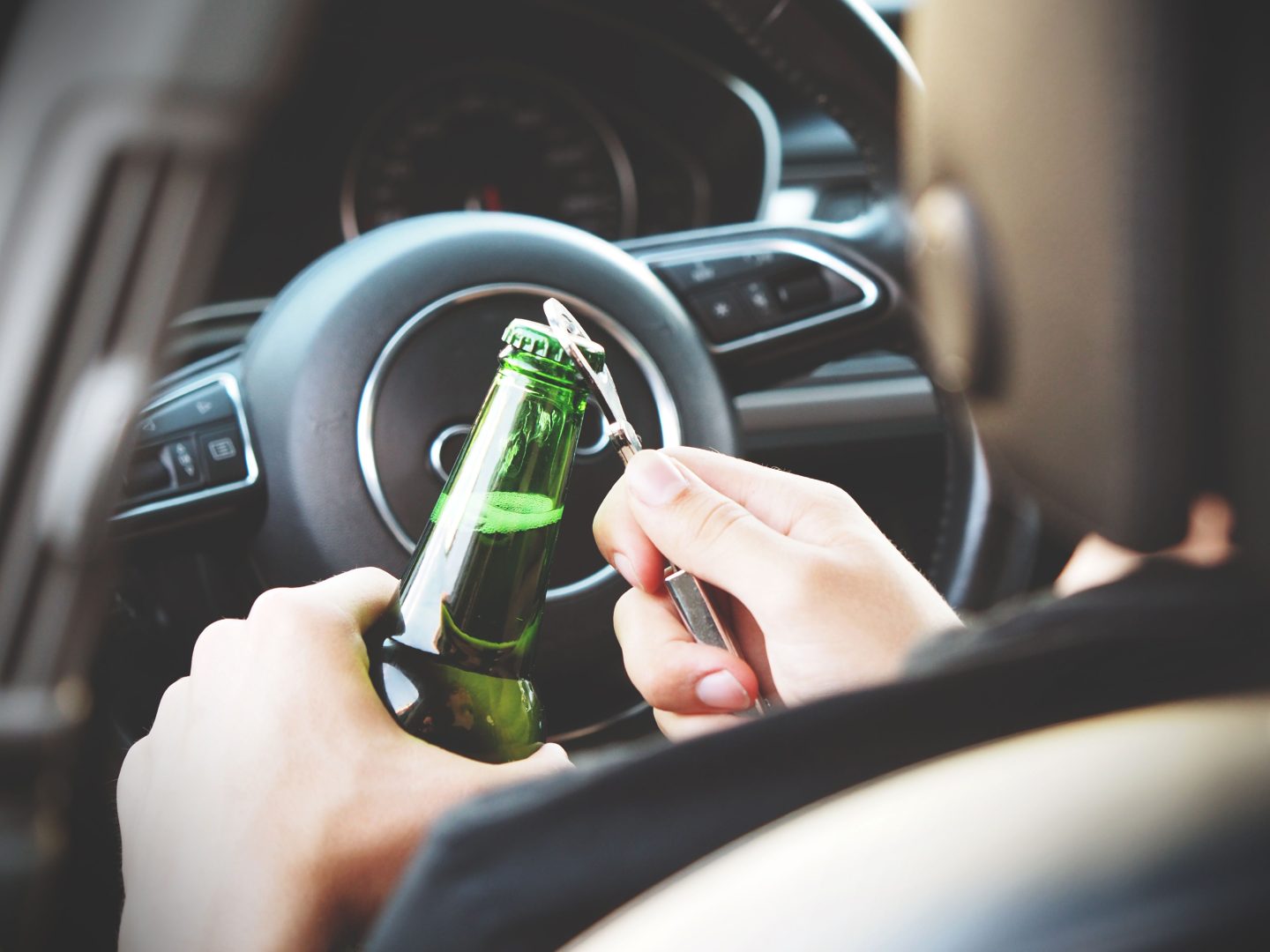
As the festive season approaches, so does the annual spike in drinking and driving. This year the conversation carries extra weight, because the Administrative Adjudication of Road Traffic Offences Act (AARTO) is already being rolled out in phases. Demerit points are not yet in place, but it is clear it is on the cards.
The first two phases have started and demerit points are expected to start during 2027. The CEO of MasterDrive, Eugene Herbert, says: “When they arrive, drunk driving will attract among the heaviest penalties: six points on conviction. With a 15-point threshold and a three-month suspension for every point over it, one conviction combined with other smaller infringements can take a driver off the road for a long time.”
Why is this important now? “Behaviour takes time to change. Habits around where drivers have ‘just one for the road’ or a lift home that unexpectedly turns into driving yourself rather than using a safer alternative, do not change overnight.
“This may be the last December where drivers can break this law without demerit points following them. That makes it the best time to start building new habits: arrange transport before the event, nominate a sober driver, use e-hailing, or stay over.”
Organisations cannot ignore this risk. “A company that allows a driver to return to driving a fleet vehicle in January with a suspended licence exposes itself to legal, financial, insurance and reputational risk. Employed drivers cannot be immediately dismissed for suspended licenses, meaning you may be in a position where you are employing a driver that cannot perform their core function.”
“Additionally, once demerit points are live, businesses are issued operator cards linked to their vehicles, and points can attach to those cards. If you allow employees to drive company cars over the festive season closure, beyond the multiple other dangers, in the future this could jeopardise your business,” says Herbert.
When employees take company vehicles home or on holiday, the business has no realistic ability to police behaviour in the moment. As that control is limited, preparation matters even more.
Fleets should act before the year-end shutdown:
Rules alone will not change behaviour, but clear expectations, practical alternatives and visible accountability will help. “Fleets that build these habits now will be better prepared when demerit points arrive, and their drivers will be safer on the road this December and the next,” says Herbert.
Ends